

Ayodhya, on the Saryu river in Uttar Pradesh, is one of the main pilgrimage cities in India. Most visitors come for the Shri Ram Janmabhoomi Mandir, and the town also has old temples, river ghats and small shrines tied to the Ramayana. Many of the Places to visit in Ayodhya are close to each other, so you can cover the main ones in one day or take a slower two-day plan. This guide lists the major sights with timings and tips, adds 1-day and 2-day itineraries, and explains the distances, fares and taxi options visitors usually ask about.
Best Places to Visit in Ayodhya
1. Shri Ram Janmabhoomi Mandir
The temple stands on the site traditionally held to be Lord Ram’s birthplace, close to Ram Path. It opened to devotees in January 2024 and is now the main reason most people visit.
Time needed: 2 to 3 hours, including the queue.
Tip: Phones, bags and electronics are not allowed inside, so leave them at your hotel. Check darshan timings and pass rules on the official Shri Ram Janmabhoomi Teerth Kshetra website before you go.
2. Hanuman Garhi
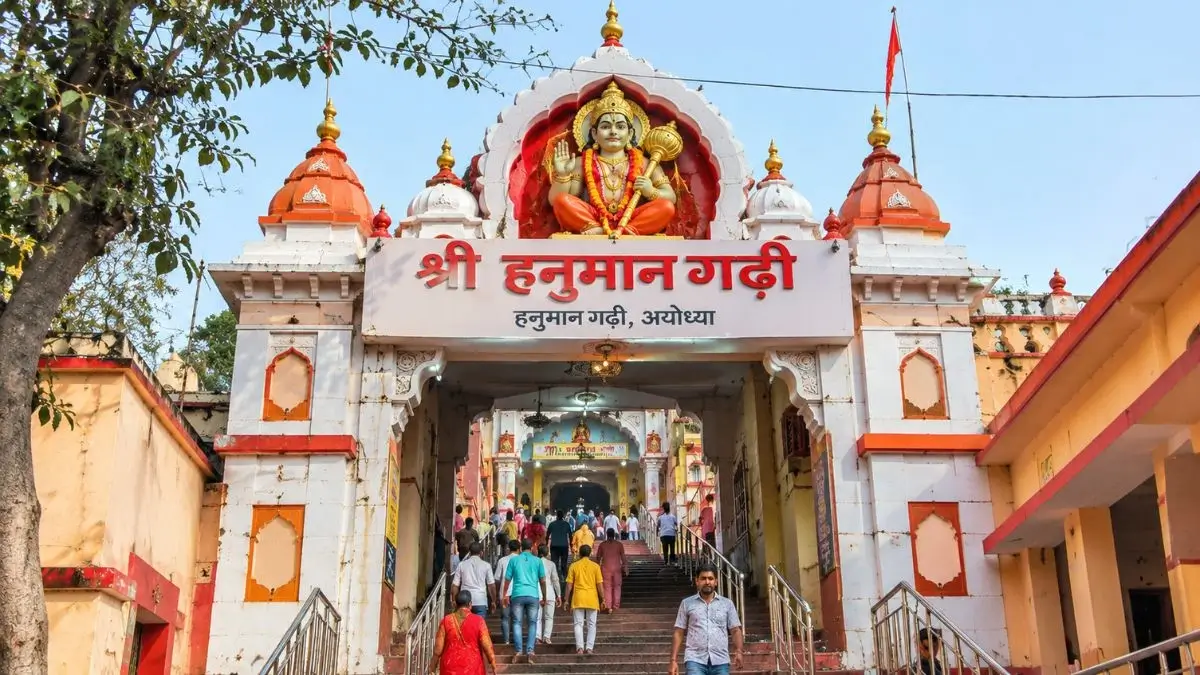
A hilltop temple in the centre of town, reached by about 76 steps. It is dedicated to Hanuman, and many pilgrims visit it before going to the Ram temple.
Time needed: 45 minutes.
Tip: The steps are steep for elders, and a lift or a palanquin may be available. Keep valuables safe in the crowd.
3. Kanak Bhawan
This temple is linked with Sita and Ram and holds idols of the couple in a decorated hall. It is near the main temple area.
Time needed: 30 to 45 minutes.
Tip: The temple closes for a break in the afternoon, so check timings.
4. Ram Ki Paidi
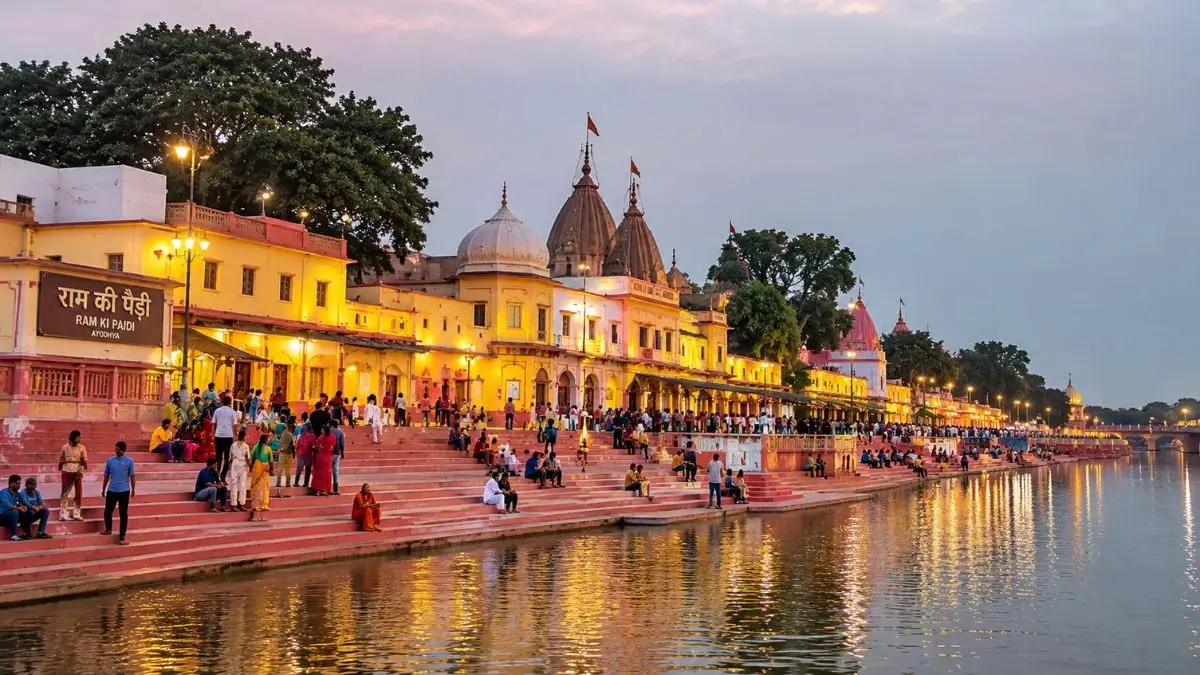
A row of ghats along the Saryu River, where devotees bathe and gather for the evening aarti. It is also the main spot for the Deepotsav lamp display around Diwali.
Time needed: About 1 hour.
Tip: Reach before sunset to get a good place for the aarti, and avoid bathing where the water is deep.
5. Nageshwarnath Temple
A Shiva temple close to Ram Ki Paidi, believed to have been built by Kush, Ram’s son. It is one of the older temples in the city.
Time needed: 30 minutes.
Tip: It gets busy on Mondays and during Mahashivratri.
6. Guptar Ghat
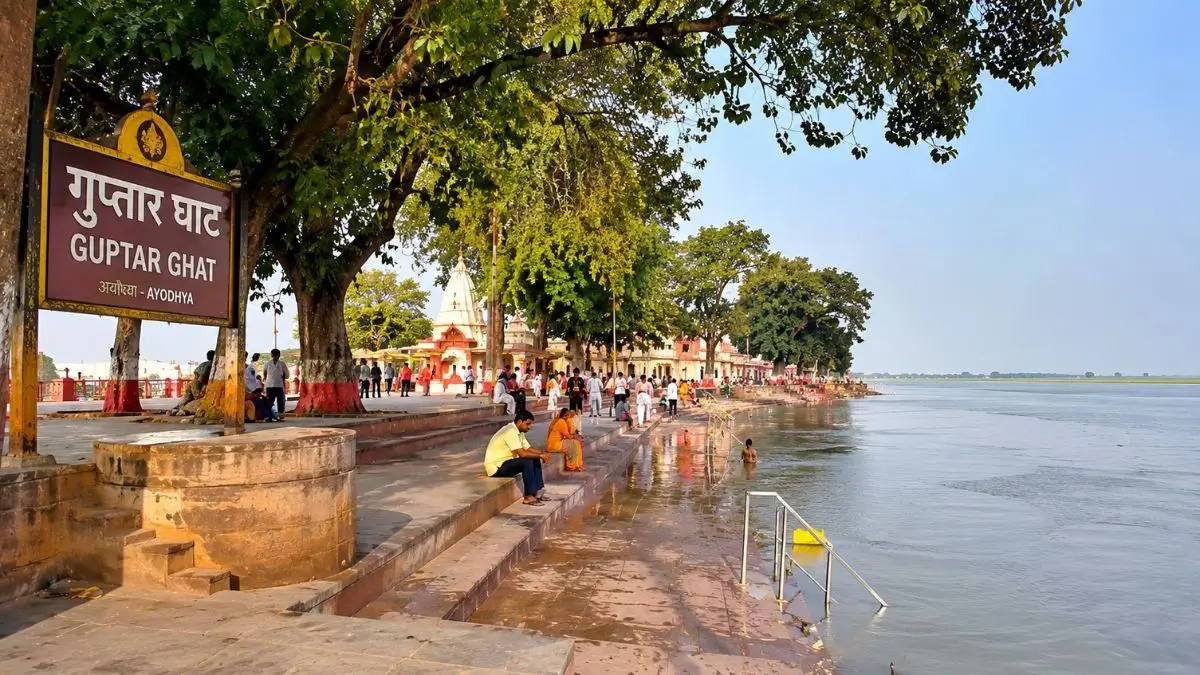
A quiet ghat about 9 km from the main area. It is linked with the last days of Lord Ram on earth, and a few small temples stand nearby.
Time needed: 1 to 1.5 hours with travel.
Tip: Go in the morning, since the area has few shops and little shade.
7. Dashrath Mahal
Also called Bada Sthan, this palace-style complex is said to be the home of King Dasharath. It has courtyards and a temple inside.
Time needed: 30 minutes.
Tip: It is close to Kanak Bhawan, so visit both together.
8. Treta Ke Thakur
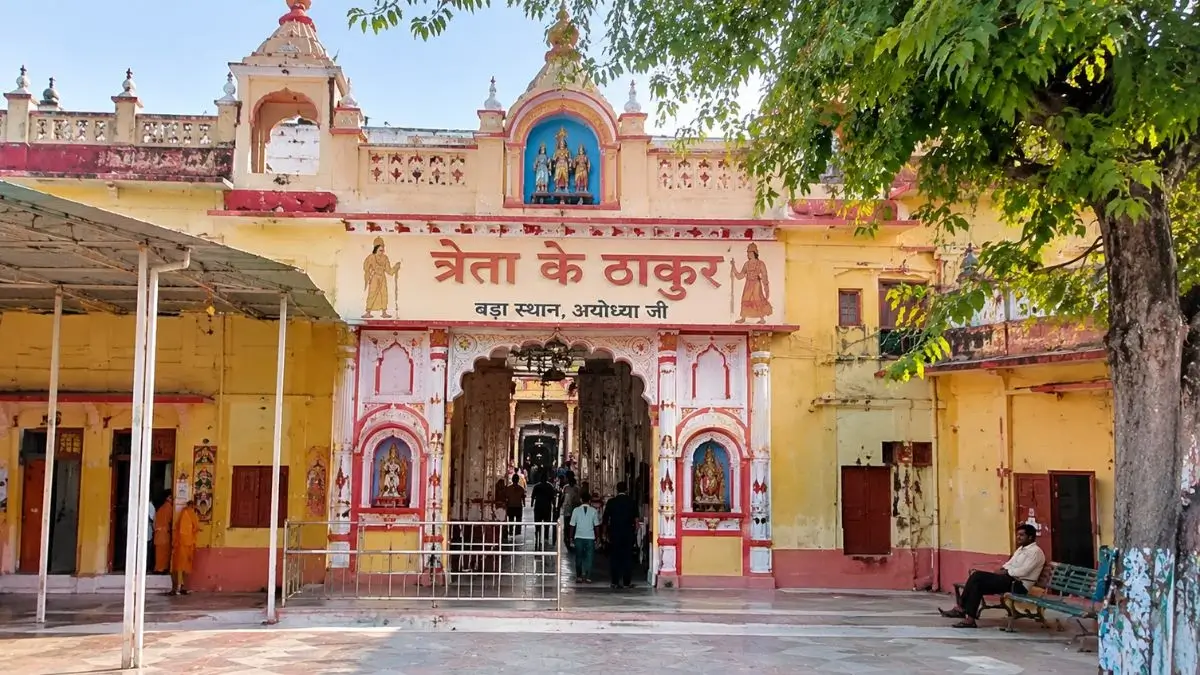
A temple linked with the yagna that Ram is believed to have performed. It is a short walk from Ram Ki Paidi and has a calm setting.
Time needed: 30 minutes.
Tip: Dress simply and keep your phone silent.
9. Mani Parvat
A raised mound on the edge of town. Local belief links it to a part of the mountain that Hanuman carried in the Ramayana, and it also has remains attributed to a Buddhist stupa. You can climb a short flight of steps for a view over the town.
Time needed: 30 to 45 minutes.
Tip: Avoid the midday heat in summer.
10. Sita Ki Rasoi
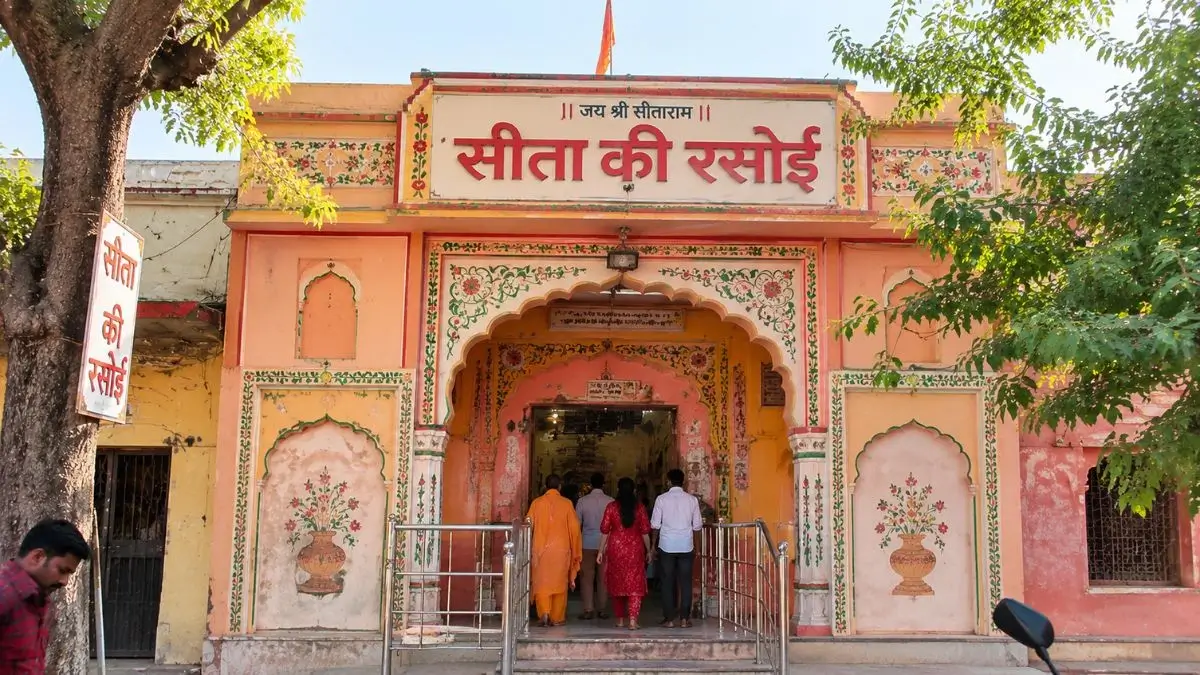
A small kitchen display with old cooking vessels, said to be Sita’s kitchen. It is near the temple area.
Time needed: 20 to 30 minutes.
Tip: Entry rules near the temple zone change, so confirm access that day.
Places to Visit in Ayodhya in 1 Day
A single day is enough for the main sights if you start early and keep a steady pace.
| Time | Places to Visit |
|---|---|
| 7:00 AM | Shri Ram Janmabhoomi Mandir |
| 9:00 AM | Hanuman Garhi |
| 10:00 AM | Kanak Bhawan |
| 11:30 AM | Dashrath Mahal |
| 1:00 PM | Lunch Break |
| 2:30 PM | Nageshwarnath Temple |
| 4:00 PM | Ram Ki Paidi |
| 5:30 PM | Saryu Aarti |
Temple timings, queue length and crowd rules change from day to day, so keep some flexibility in the plan.
Places to Visit in Ayodhya in 2 Days
Two days let you see more and avoid rushing through the queues.
Day 1
- Shri Ram Janmabhoomi Mandir
- Hanuman Garhi
- Kanak Bhawan
- Dashrath Mahal
- Ram Ki Paidi
Day 2
- Guptar Ghat
- Nageshwarnath Temple
- Mani Parvat
- Sita Ki Rasoi
- Treta Ke Thakur
- Local markets and shopping
The markets near Hanuman Garhi and Ram Path sell prasad, religious books, idols and sweets.
Best Time to Visit Ayodhya
- October to February: Cool weather and the easiest period for sightseeing, though it is also the busiest.
- March to June: Hot, so plan darshan and walking in the early morning.
- July to September: Monsoon. Rain can slow travel, and the Saryu water level rises.
- Festivals: Ram Navami and Deepotsav draw very large crowds. Book hotels and transport well in advance, and expect traffic limits around the temple.
Most Places to visit in Ayodhya are open-air or involve queues, so weather and crowd level matter more here than in many other towns.
Best Taxi Service in Ayodhya for Sightseeing

Many tourist places in Ayodhya are spread across the town and the outskirts, so a private vehicle saves time and lets you plan around darshan slots. Here is why people book one:
- It saves you from waiting for shared transport during rush hours.
- It suits senior citizens and children, who tire in long queues.
- You can plan the order of visits and keep your bags in the vehicle.
- It works for family and group trips, since everyone travels together.
A Taxi Service in Ayodhya usually offers local sightseeing packages, station and airport transfers, and outstation trips to Lucknow, Varanasi, Prayagraj and Gorakhpur. Many operators also have an Ayodhya local taxi service on an hourly or full-day basis. Compare quotes, ask what is included, and note that some roads near the temple restrict vehicles, so the driver may drop you at a designated point.
| Vehicle | Best For |
|---|---|
| Sedan | 2 to 4 passengers |
| SUV | 5 to 7 passengers |
| Innova Crysta | Family trips |
| Tempo Traveller | 9 to 26 passengers |
| Force Urbania | Group travel with a smoother ride |
Ayodhya Dham Junction to Ram Mandir Auto Fare
Ayodhya Dham Junction is the closest main railway station to the temple. Sources give a range of about 1.5 to 3 km, depending on the route and where the gate is drawn.
- Shared e-rickshaw: The cheapest option, usually around ₹10 to ₹20 per person.
- Private auto: Often ₹100 to ₹200 for the ride, and it varies with luggage and demand.
- Walking: Possible for fit visitors if the road is open, though crowds can slow you down.
Fares change with the time of day, festival crowds and road restrictions. Confirm the fare with the driver before the ride starts.
Ayodhya Station to Ram Mandir, Ayodhya
Ayodhya has two railway stations, and many people mix them up. Ayodhya Dham Junction (code AY) is the rebuilt main station and the nearest one to the temple. Ayodhya Cantt (code AYC), formerly Faizabad Junction, is farther out and handles a different set of trains.
From Dham Junction, you can take an e-rickshaw, auto or taxi, and the ride takes about 10 to 15 minutes via Station Road and Ram Path, depending on traffic and road closures. If your train arrives at Cantt, add more travel time. Check the arrival station on your ticket before you book a hotel pickup.
Ayodhya Cantt Railway Station to Ram Mandir Distance by Train
Some local and passenger trains connect Ayodhya Cantt and Ayodhya Dham Junction, and the hop is short at roughly 6 km to 8 km. Availability and timings change, so check them on the Indian Railways website or the NTES app on the day of travel.
After you reach Ayodhya Dham, the temple is a short e-rickshaw ride or a walk away. If no convenient train is running, a taxi or auto from Cantt is the simpler choice.
ISKCON Ayodhya to Ram Mandir Ayodhya Distance
ISKCON Ayodhya is a temple and guest facility on the town’s outer side, and the distance to Ram Mandir is roughly 6 to 8 km. The drive takes 10 to 20 minutes, depending on the crowd and road restrictions. Autos, e-rickshaws and taxis are available nearby. Ask the driver to use the open route on the day, since closures near Ram Path can change the way.
Ayodhya Cantt Railway Station to Ram Mandir Distance by Road
Road distance from Ayodhya Cantt to Ram Mandir is about 10 to 15 km, and sources differ depending on the route measured. By car, it takes about 20 to 35 minutes, and longer in festival traffic. Autos, taxis and e-rickshaws are available at the station. Parking near the temple is limited and some zones are closed to private vehicles, so plan to get down at the designated point and walk or take a shuttle for the last stretch.
Ayodhya Dham Jn to Ram Mandir Distance by Road
By road, the distance from Ayodhya Dham Junction is about 1.5 to 2 km. The common route runs along Station Road and then Ram Path, and the ride takes 10 to 15 minutes by auto or taxi. Walking is possible if you travel light, and e-rickshaws run on short routes near the station. Facilities such as cloak rooms, shops and taxi stands are close to the station building.
Ayodhya Bypass to Ram Mandir Ayodhya Distance
The Ayodhya bypass runs around the edge of town and helps vehicles avoid city traffic. From most points on the bypass, Ram Mandir is roughly 8 to 10 km away, and the drive takes 15 to 30 minutes. Taxis and autos can be booked from the nearby crossings, and many operators offer pickup from hotels along the bypass. Ask your driver about the day’s route, since some inner roads are closed to private vehicles.
How to Reach Ayodhya by Road, Train and Air
- By road: Ayodhya is about 130 km from Lucknow and about 680 to 780 km from Delhi, depending on the route. Highways connect it with Lucknow, Varanasi, Prayagraj and Gorakhpur.
- By train: Trains reach Ayodhya Dham Junction and Ayodhya Cantt from cities such as Delhi, Lucknow, Varanasi and Mumbai. Check which station your train uses.
- By air: Ayodhya has its own airport, Maharishi Valmiki International Airport, about 10 to 16 km from the temple. Pre-booking an Ayodhya Airport taxi saves time after landing, and the ride usually takes 25 to 45 minutes.
Local Transport Options Available in Ayodhya
- E-rickshaws and autos: Common for short rides and the cheapest option.
- Shuttles and battery vehicles: Some run near the temple zone on crowded days.
- Taxis and cabs: Useful for longer routes, the airport and Guptar Ghat.
- Walking: Many sights near Ram Path and Hanuman Garhi are walkable.
Carry cash for small fares, and agree on the price before you start.
Frequently Asked Questions About Visiting Ayodhya
How many days are enough to visit Ayodhya?
One day covers the main temples and the evening aarti. Two days give a calmer pace and include Guptar Ghat and the smaller sights.
Which is the nearest railway station to Ram Mandir?
Ayodhya Dham Junction.
How far is Ayodhya Dham Junction from Ram Mandir?
About 1.5 to 3 km, and the ride takes 10 to 15 minutes by auto.
How far is Ayodhya Cantt from Ram Mandir?
Roughly 10 to 15 km by road, or 20 to 35 minutes by car.
What is the average taxi fare in Ayodhya?
It depends on distance, season and vehicle. Short city rides are often a few hundred rupees, and a full-day sightseeing package costs more. Ask for a written quote.
Can I visit Ayodhya in one day?
Yes. Start by 7 AM, and follow the one-day plan above.
What are the famous temples in Ayodhya?
Shri Ram Janmabhoomi Mandir, Hanuman Garhi, Kanak Bhawan, Nageshwarnath Temple and Dashrath Mahal.
Is a private taxi available for Ayodhya sightseeing?
Yes. Many operators offer full-day and half-day packages, plus station and airport transfers.